TL;DR
- Affiliate marketing is your fastest starting point: You can begin earning commissions immediately by sharing products you already love, with no follower minimums required.
- Diversify to protect your income: Building two to three revenue streams shields you from algorithm changes and platform shifts.
- Match your method to your situation: Your audience size, content style, and available time should guide which monetization strategies you pursue first.
- Small audiences can earn real money: Engaged micro-communities often convert better than massive followings with passive viewers.
You already share products you love with friends, family, and followers. Learning how to monetize content as a creator turns those everyday recommendations into real income. Whether you’re a mom sharing your favorite kitchen finds on Instagram, a fitness enthusiast posting workout gear on TikTok, or a home decor lover curating Pinterest boards between school pickups, you have more earning potential than you might realize. The gap between casually recommending products and actually getting paid for it comes down to knowing which revenue streams fit your life, your audience, and your goals.
What Does It Mean to Monetize Content?
Monetizing content means turning your audience’s attention into income. When you create posts, videos, or stories that people trust, you build something valuable. That trust becomes the foundation for earning money when your followers take action on your recommendations.
Here’s how the basic exchange works: you share helpful content, your audience engages with it, and when they click a link or buy something you suggested, you earn money. Every creator can participate in this process regardless of follower count. You just need to find the right mix of income streams that fits your style.
7 Ways to Make Money as a Content Creator
Learning how to monetize content starts with understanding your options. The methods below represent the most accessible paths to building creator income. Most successful creators combine several of these approaches over time.
| Method | Best For | Audience Size Needed | Time to First Earning |
|---|---|---|---|
| Affiliate Marketing | All creators | Any size | Days to weeks |
| Brand Sponsorships | Engaged niches | 1,000+ followers | Weeks to months |
| Digital Products | Educators, experts | 500+ email subscribers | Weeks |
| Ad Revenue | Video creators | Platform-specific thresholds | Months |
| Subscriptions | Loyal communities | 100+ superfans | Weeks |
| UGC Creation | Content makers | No following required | Days |
| Consulting | Specialists | Credibility-based | Weeks |
Affiliate Marketing
Affiliate marketing is when you earn a commission by recommending products through special trackable links. This means you share a link, someone buys through it, and you get a percentage of that sale. It’s the most accessible way for every creator to start earning.
- No inventory needed: You recommend products without buying or storing anything yourself, which means zero upfront investment or logistics headaches.
- Works anywhere: These links fit naturally into posts, stories, emails, and videos, so you can share them wherever your audience already spends time.
- Scales with your effort: The more helpful content you create, the more you can earn, making this a revenue stream that grows alongside your efforts.
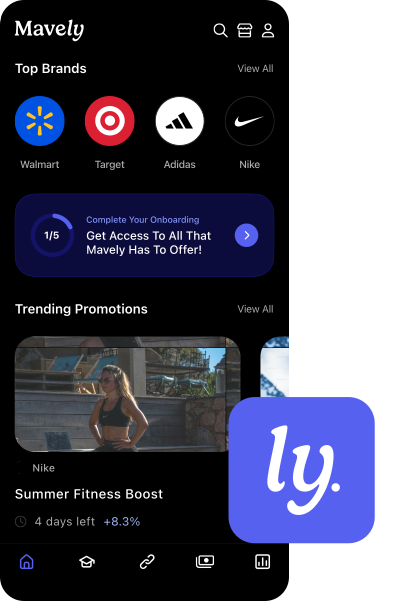
Affiliate marketing tools like SmartLinks make generating these trackable links incredibly simple. You can create a link in one click from your phone and immediately share it with your audience. Just remember to disclose when you’re using affiliate links, as the FTC requires this transparency.
Your earnings depend on two things: the commission rate (the percentage you keep) and the cookie window (how long after a click you can still earn). Different brands offer different terms, so it pays to work with high-paying affiliate programs that offer competitive rates and fast payouts.
Brand Deals and Sponsored Content
Brand deals happen when companies pay you directly to feature their products in your content. This is how many creators learn how to make money as an influencer once they’ve built an engaged audience. These partnerships range from free products to significant paid contracts.
The main types of brand sponsorships include:
- Sponsored posts involve creating one piece of paid content featuring a brand’s product, typically with specific deliverables and deadlines.
- Brand ambassadorships come with ongoing content requirements, meaning you’ll represent the brand over weeks or months rather than in a single post.
- Whitelisting arrangements allow brands to run your content as their own ads, extending your reach while they handle the ad spend.
Pricing depends on your engagement rate, niche, and what the brand needs you to deliver. A media kit showcasing your audience demographics and past work helps you land these opportunities. Creators with smaller, highly engaged audiences often attract brands (70% prefer nano or micro-influencers) looking for authentic recommendations over raw reach.
Digital Products and Online Courses
Digital products let you package your knowledge into something people can buy. This includes ebooks, templates, presets, and online courses. Once you create the product, you can sell it repeatedly without additional work.
Smart creators build what’s called a product ladder. You start with something free (like a helpful guide) to collect email addresses, then offer paid products at increasing price points. This approach lets you serve people at different budget levels while building toward higher-ticket offerings.
Before spending weeks building a course, validate your idea first. Survey your audience or run a pre-sale to confirm people actually want what you’re planning to create. This simple step saves you from building something nobody buys.
Ad Revenue and Platform Creator Funds
Many platforms pay creators directly based on content performance. YouTube shares ad revenue with creators who meet their Partner Program requirements. TikTok and Instagram offer creator funds and bonus programs that pay based on views and engagement.
These programs come with important limitations:
- Threshold requirements: Most platforms require you to hit specific milestones, such as thousands of followers and certain watch time hours, before you can even apply for their programs.
- Variable payouts: Creator fund payments can fluctuate month to month based on platform budgets and policy changes, so you might earn significantly less one month than the previous.
- Algorithm dependency: Your earnings rise and fall with how the platform distributes your content, which means a single algorithm update could dramatically impact your income.
Platform payments work best as one piece of a larger income strategy. Relying solely on ad revenue leaves you vulnerable when algorithms shift or platforms change their programs, which is why diversifying your social channels matters.
Subscriptions and Memberships
Memberships let your biggest fans pay a recurring monthly fee for exclusive access. This creates predictable income you can count on each month. You can offer memberships through dedicated platforms or built-in tools on YouTube and Instagram.
A typical membership structure includes multiple tiers:
- Entry level: At the entry level, subscribers get behind-the-scenes content and early access to your regular posts, giving them a peek into your creative process.
- Mid level: Mid-level members enjoy exclusive content, community access, and monthly live sessions where they can interact with you directly.
- Premium level: Premium subscribers receive direct interaction, personalized feedback, and special resources that make them feel like true insiders.
The key to memberships is delivering consistent value so subscribers stick around. Your churn rate (the percentage who cancel each month) determines whether this income stream grows or shrinks over time.
User-Generated Content Creation
UGC (user-generated content) is when brands pay you to create content for their marketing channels. The content lives on the brand’s accounts, not yours. This means you can earn money without having any following at all.
This differs from sponsorships in an important way. With sponsorships, brands care about your audience size because the content goes on your profile. With UGC, they only care about your ability to create compelling content. Brands need authentic-looking product reviews, unboxings, and lifestyle content for their ads and social feeds.
UGC is an excellent entry point if you’re still building your audience. You develop your content skills while earning money, then apply those skills to grow your own following over time.
Consulting and Freelance Services
As you learn to grow your own accounts, you develop skills other people need. Consulting lets you monetize that expertise directly. You can offer social media management, content strategy advice, or one-on-one coaching for aspiring creators.
Common service offerings include:
- Running social accounts for small businesses lets you apply your content skills while earning steady income from clients who need your expertise.
- Advising brands on content calendars and platform strategy positions you as a trusted consultant who can guide their marketing decisions.
- Coaching newer creators through your proven methods allows you to share what you’ve learned while building a reputation in your niche.
You can charge hourly rates, project fees, or monthly retainers depending on the work. While consulting trades time for money, your rates increase as your expertise and reputation grow.
Why Affiliate Marketing Works for Every Creator
With U.S. affiliate marketing spending projected to exceed $13 billion in 2026, affiliate marketing stands out as the ideal starting point for anyone learning how to make money on social media. You can begin today with whatever audience you have, even if that’s just friends and family. There’s no application process, no follower minimum, and no upfront cost.
The method works because it aligns your interests with your audience’s interests. You recommend products you genuinely use and love. When your recommendation helps someone find something great, you earn a commission. This feels natural because you’re already sharing product opinions in your daily life.
Creating shoppable content like linking products in your stories, building honest product roundups, and answering questions about items you use can boost your affiliate earnings significantly. Using affiliate marketing tools to track creator performance shows you exactly which content drives sales, so you can create more of what works.
How to Choose the Right Monetization Strategy
Picking the right approach depends on your specific situation. Your audience size, content style, time availability, and income goals should all factor into your decision. Trying to pursue every method at once leads to burnout and mediocre results.
Consider these factors when choosing:
- Audience size: Smaller audiences do well with affiliate marketing and UGC. Larger audiences can leverage sponsorships and ad revenue.
- Content type: Educational creators excel with courses and consulting. Lifestyle creators thrive with affiliate links and brand deals.
- Time availability: Limited time points toward affiliate marketing. More time opens up services and memberships.
- Income goals: Supplemental income starts with affiliate marketing. Full-time income requires multiple streams.
Start with one or two methods and master them before expanding. You can use Mavely analytics to understand which products resonate with your audience, then build your strategy around those insights.
Tips to Maximize Your Creator Income
Once you’ve chosen your monetization methods, these practices help you earn more from your efforts.
- Build multiple income streams: Depending on one source creates unnecessary risk, so aim to develop at least two or three reliable methods that can support you if one dips.
- Track everything: Use analytics to see which posts and products convert best, then double down on what’s working and learn from what isn’t.
- Disclose partnerships clearly: Following FTC guidelines protects you legally and builds trust with your audience, which ultimately leads to better long-term results.
- Know your worth: Research standard rates for brand deals in your niche so you can negotiate confidently and avoid underselling yourself.
- Reinvest in your content: Better equipment, editing tools, and education compound your results over time, turning small investments now into bigger returns later.
The creators who earn the most treat their content like a real business. They study their performance data, optimize their approach, and consistently deliver value to their audience.
Start Earning as a Creator Today
Monetizing your content is possible for every creator, regardless of where you’re starting from. The path forward involves choosing a method that fits your situation, staying authentic to your audience, and tracking your results so you can improve over time.
Affiliate marketing offers the fastest way to see your first earnings. You can join Mavely to access affiliate links from over 1,400 brands, real-time analytics, and biweekly payouts. There are no follower minimums and no application fees to get started.
If you’re ready to turn your everyday recommendations into your first (or next) revenue stream, join Mavely today and start sharing links you’d recommend anyway.
Frequently Asked Questions
How much do content creators typically earn from affiliate marketing?
Earnings vary widely based on your niche, audience engagement, and how often you share links. Some creators earn a few hundred dollars monthly as a side income, while others build it into a full-time revenue stream.
Do you need a large following to earn money from content?
You do not need a massive following to start earning. Micro-influencers with engaged communities often see better conversion rates than accounts with millions of passive followers, and methods like affiliate marketing have no follower minimums.
How does Instagram pay creators through its platform programs?
Instagram offers bonus programs and ad revenue sharing for creators who meet specific eligibility requirements. Payouts vary based on program availability and your content performance, so most Instagram creators earn primarily through brand deals and affiliate links.
What is the fastest way for a new creator to earn their first income?
Affiliate marketing offers the quickest path because you can start immediately with any audience size. UGC creation is another fast option since brands pay for your content skills rather than your follower count.
How do affiliate links track purchases back to a creator?
When you generate an affiliate link, it contains a unique identifier tied to your account. When someone clicks your link and makes a purchase, the system records that the sale came from you and credits your commission.
Is building a content creation business still profitable in 2026?
The creator economy continues to grow (Goldman Sachs projects it could reach $480 billion by 2027), making content creation a viable income path for those who approach it strategically. Success depends on choosing the right monetization mix for your niche and consistently providing value to your audience.