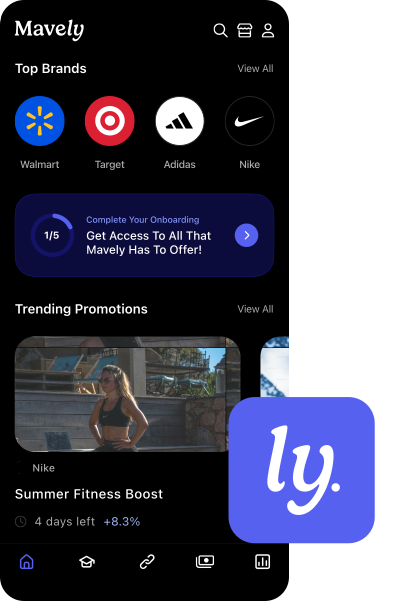
TL;DR
- Affiliate marketing lets you earn commissions by sharing products through unique tracking links with your audience
- You don’t need a large following or experience to start, and platforms like Mavely welcome creators of all sizes
- Success comes from choosing a niche you genuinely care about and creating authentic content that helps your audience
- Mavely offers biweekly payouts, SmartLinks technology, and free tools to help beginners earn faster
Affiliate marketing has become one of the most accessible ways for everyday creators to earn income online, yet the mechanics can feel murky when you’re just getting started. The concept is straightforward: share products you love, earn a commission when someone buys. The execution is where most beginners get stuck, unsure which platform to join, what products to promote, or how to create content that actually converts. What separates creators who build sustainable affiliate income from those who give up after a few months often comes down to understanding the fundamentals before diving in.
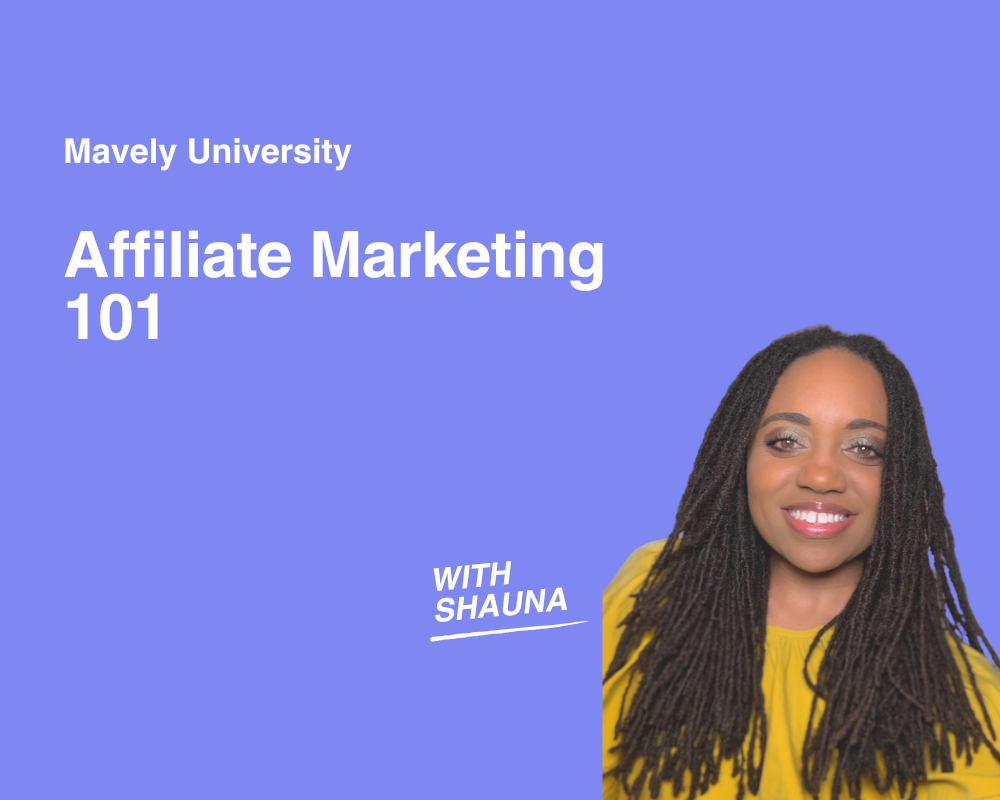
Shauna Hollinger, Creator Education Manager at Mavely, breaks down the basics of affiliate marketing in this can’t-miss video.
What Is Affiliate Marketing?
At its core, affiliate marketing is a performance-based marketing model where you earn money by promoting products through unique tracking links. Someone clicks your link, makes a purchase, and you receive a commission. Unlike traditional advertising where brands pay upfront for exposure, affiliate marketing means you only get paid when actual sales happen.
This model works because it benefits everyone involved. Brands get access to authentic recommendations from real people instead of polished ads, customers discover products through sources they trust, and you earn income for sharing things you’d probably talk about anyway.
The Three Key Players in Affiliate Marketing
Every affiliate transaction involves three parties working together:
- The Brand (Merchant): Companies like Walmart, Target, and Sam’s Club that have products to sell. They create affiliate programs because word-of-mouth marketing from trusted creators often converts better than traditional advertising.
- The Affiliate (That’s You): You share products through your content, whether that’s Instagram Stories, TikTok videos, blog posts, or email newsletters. Your job is to connect your audience with products that genuinely help them.
- The Customer: Your followers, subscribers, and readers who trust your recommendations. When they click your link and buy, the sale gets attributed to you.
How Tracking and Attribution Work
When you join an affiliate platform like Mavely, you get access to unique tracking links for each product you want to share. These links contain a special identifier that tells the brand “this sale came from this creator.”
Here’s what happens behind the scenes: when someone clicks your link, a small piece of data called a cookie gets stored in their browser. This cookie remembers that they came from you. If they make a purchase within a certain timeframe (called the attribution window or cookie duration), you get credit for the sale.
Cookie durations vary by brand. Some give you 24 hours, others give you 30 days or more. Longer windows mean more time for your audience to think about a purchase and still have it count toward your commission.
How Do You Make Money With Affiliate Marketing?
Once you join a platform like Mavely, you’ll get access to thousands of shoppable products and generate your own personalized affiliate links. Then you share those links through content like Instagram Stories, TikToks, blog posts, newsletters, and other platforms where your audience engages.
Every time someone makes a purchase through one of your links, you earn commission. The amount varies based on the brand, product category, and sometimes your performance history.
Commission Structures Explained
Not all affiliate programs pay the same way. Understanding the different models helps you set realistic expectations:
- Percentage-based commissions: You earn a percentage of the sale price. This is the most common model. Physical products typically pay 5-15%, while digital products and services often pay 20-50%.
- Flat-rate (CPA) commissions: You earn a fixed dollar amount per sale, regardless of the purchase total. This works well for subscription services or high-ticket items.
- Tiered commissions: Some programs increase your commission rate as you drive more sales. Start at 8%, hit certain milestones, and move up to 10% or 12%.
When and How You Get Paid
Most affiliate platforms have a payment threshold (a minimum amount you need to earn before they’ll send payment) and a payment schedule (how often they process payouts).
Industry standard is monthly payouts with thresholds ranging from $25 to $100. Mavely stands out here with biweekly payouts, meaning you get paid twice a month instead of waiting 30+ days. This faster payment cycle helps beginners see results sooner and stay motivated.
How Much Can Beginners Realistically Earn?
Let’s address the question everyone wants answered: how much money can you actually make?
The honest answer is that creator income varies significantly based on your niche, audience size, content consistency, and how well your recommendations match what your followers want to buy.
| Experience Level | Monthly Effort | Typical Monthly Earnings |
|---|---|---|
| Part-time beginner | 2-3 posts per week | $50-200 |
| Consistent beginner | 5-7 posts per week | $200-500 |
| Established creator | Daily content + strategy | $500-2,000+ |
These numbers aren’t guarantees. They’re ranges based on what creators at different stages typically see. Some beginners earn their first commission within a week. Others take a few months to find their rhythm.
The creators who build sustainable affiliate income treat it as a long-term strategy, not a get-rich-quick scheme. They focus on building trust with their audience first, knowing that trust translates to clicks and conversions over time.
Types of Affiliate Products You Can Promote
One of the biggest advantages of affiliate marketing is the sheer variety of products you can share. Understanding your options helps you find the right fit for your audience.
Mavely connects creators with 1,400+ brands across categories through powerful affiliate marketing tools, giving you plenty of choices regardless of your niche.
Physical Products
This is where most beginners start. Physical products include:
- Retail and household items: Everything from kitchen gadgets to cleaning supplies
- Fashion and accessories: Clothing, shoes, jewelry, bags
- Beauty and skincare: Makeup, serums, hair tools
- Home decor: Furniture, bedding, organization products
Physical products typically offer commissions between 5-15%. The advantage is that everyone buys physical products, so your audience likely already shops at stores you can link to.
Digital Products and Services
Digital products often come with higher commission rates because there’s no manufacturing or shipping cost:
- Software and apps: Productivity tools, editing software, subscription services
- Online courses: Educational content in any niche
- Memberships: Streaming services, fitness apps, subscription boxes
Commission rates for digital products can range from 20-50%, making them attractive even if they convert less frequently than everyday retail items.
How to Choose Your Affiliate Marketing Niche
Most beginner guides don’t give this topic the attention it deserves. Your niche choice affects everything: which products you promote, what content you create, and how quickly you build an engaged audience.
Ask yourself these questions before committing:
- What do I already talk about? Look at your existing content. What topics come up naturally? What do friends ask your opinion on?
- What products do I genuinely use and love? Authentic recommendations convert better than forced ones. Start with products you’d recommend even without a commission.
- Is there an audience for this? Some niches are too narrow to sustain consistent content. Others are so broad that standing out becomes difficult.
- Can I create content consistently? Pick something you won’t get bored talking about in six months.
- Are there affiliate programs available? Make sure brands in your niche actually offer affiliate partnerships.
The best affiliate marketing niche sits at the intersection of your genuine interests, your audience’s needs, and available affiliate programs. Don’t chase the highest commission rates if you have zero passion for the products.
How to Get Started With Affiliate Marketing
The good news is that you already have everything you need to start earning with affiliate marketing. Here’s the step-by-step breakdown:
Step 1: Join an Affiliate Platform
Affiliate platforms connect you with brands and handle all the tracking, reporting, and payments. Instead of applying to dozens of individual brand programs, you join one platform and get access to hundreds or thousands of brands.
What to look for in a beginner-friendly platform:
- No follower minimum: You shouldn’t need 10,000 followers to get started
- No application fees: Legitimate platforms don’t charge you to join
- Wide brand selection: More brands mean more products that fit your niche
- Reliable payments: Look for platforms with clear payment schedules and low thresholds
Mavely checks all these boxes. There’s no follower minimum, no gatekeeping, and no cost to join.Sign up and you’re in.
Step 2: Pick Products That Fit Your Niche
Once you’re on a platform, resist the urge to grab links for everything. Strategic product selection matters more than volume.
Focus on products that:
- Align with your existing content themes
- Solve problems your audience actually has
- Fall within price ranges your audience typically spends
- You can speak about authentically (even if you haven’t personally used every item)
You don’t need to personally own or try every product you share. What you do need is genuine confidence that the product delivers value for your audience.
Step 3: Create and Share Your Affiliate Links
With your products selected, generate your unique tracking links through the platform. Then integrate them into your content naturally.
Where to share your affiliate links:
- Instagram Stories (swipe-up or link stickers)
- TikTok bio or comments
- Blog posts and product reviews
- Email newsletters
- Pinterest pins
- Facebook groups and posts
One of the most important social selling tips is meeting your audience where they already are. If your followers primarily engage on Instagram, that’s where your links should live.
Step 4: Track Your Performance and Optimize
Posting links is just the beginning. The creators who earn consistently pay attention to what’s working and adjust accordingly.
Mavely analytics help you track creator performance by showing you:
- Which links get the most clicks
- Which products actually convert to sales
- Your commission earnings in real-time
- Trends over time so you can spot what resonates
Use this data to double down on what works. If a certain product category consistently converts, create more content around it. If something falls flat, move on without wasting more effort.
Content Strategies to Promote Your Affiliate Links
Knowing where to share links is different from knowing how to share them effectively. These content formats consistently perform well for affiliate creators:
Product Reviews and Recommendations
Honest reviews build trust faster than any other content type. Share what you genuinely like about a product, acknowledge any drawbacks, and explain who it’s best suited for.
The most effective reviews answer the questions your audience would ask before buying: Does it work? Is it worth the price? How does it compare to alternatives?
Tutorials and How-To Content
Showing a product in action demonstrates value better than simply describing it. Create content that teaches your audience something useful while naturally incorporating affiliate products.
For example, you could create content like “My morning skincare routine” featuring linked products, “How I organize my pantry” with storage solutions, or a “5-minute makeup look” using specific items.
Comparison Posts and Gift Guides
Roundup content serves audiences who are already ready to make a purchase. Gift guides (holiday, birthday, “treat yourself”) and comparison posts (“best budget blenders under $50”) attract people actively looking to purchase.
These posts also have longer shelf lives than trend-based content, continuing to drive clicks months after you publish them.
Common Affiliate Marketing Mistakes to Avoid
Learning from others’ missteps saves you time and frustration. Here are the pitfalls that trip up most beginners:
- Promoting too many products at once: Your audience gets overwhelmed and trusts your recommendations less. Focus on fewer products you genuinely stand behind.
- Ignoring FTC disclosure requirements: You’re legally required to disclose affiliate relationships. Always be transparent when a link earns you commission. It builds trust and keeps you compliant.
- Chasing commission rates over authenticity: A 30% commission means nothing if the product doesn’t fit your audience. Relevance beats rate every time.
- Posting inconsistently: Affiliate marketing rewards consistency. Sporadic posting makes it hard to build momentum or understand what works.
- Never checking your analytics: If you’re not tracking performance, you’re guessing. Data tells you what to do more of and what to stop.
- Giving up too early: Most creators don’t see significant results for 3-6 months. The ones who succeed treat early months as learning, not failure.
Why Mavely Is Built for Beginner Creators
Mavely, now part of Later, was built specifically for the everyday creator. Here’s why our creators love it:
- Biweekly payouts plus monthly bonuses: Get paid faster than industry standard
- SmartLinks technology: Send your audience directly to the exact product page for faster conversions
- Free tools: Access Link in Bio by Later, browser extension, and mobile share extension at no cost
- No follower minimum: Start earning regardless of your audience size
- Ongoing support and training: Creator education resources to help you grow
We’ve made it as easy and rewarding as possible to startand scaleyour affiliate marketing journey.
If you’re reading this and nodding along thinking, “Yeah, I could totally do this,” you’re absolutely right. Sign up or log in to your Mavely account, browse your favorite brands, grab those links, and start creating content your audience will love (and shop!).
If you ever get stuck, we’re here to help.
Keep Learning With Mavely’s Creator Education Resources
Get more expert advice on affiliate marketing at home or on the go. Check out the rest of our Creator Education content to sharpen your skills with affiliate linking, content creation, and much more through Mavely University and beyond.
Frequently Asked Questions
What Is Affiliate Marketing?
Affiliate marketing is a performance-based marketing model where you earn a commission by promoting products through unique tracking links. When someone clicks your link and makes a purchase, the brand pays you a percentage of the sale or a flat fee. It’s one of the most accessible examples of how to monetize content without creating your own products.
How Do I Start Affiliate Marketing With No Experience?
You can start affiliate marketing with no experience by joining a beginner-friendly platform like Mavely, choosing products in a niche you know, and sharing links through your existing social channels. No special skills or technical knowledge required. If you can post on social media and write a caption, you have everything you need to begin.
Do I Need a Lot of Followers to Do Affiliate Marketing?
No, you don’t need a large following to succeed with affiliate marketing. Platforms like Mavely have no follower minimum requirements, and micro-influencers often see higher engagement rates than larger accounts. What matters more than follower count is the trust you’ve built with your audience and how relevant your recommendations are to their needs.
How Much Money Can Beginners Make With Affiliate Marketing?
Beginners typically earn between $50 and $500 per month in their first six months, with income growing as they build audience trust and refine their content strategy. Your earnings depend on factors like your niche, posting consistency, and how well your product recommendations match what your audience wants to buy.
Which Affiliate Programs Are Best for Beginners?
The best affiliate programs for beginners offer low barriers to entry, a wide selection of brands, and reliable payment. Mavely is designed specifically for everyday creators with no application fees, no follower minimum, and biweekly payouts that get money in your hands faster than most platforms.
How Do Affiliate Marketers Get Paid?
Affiliate marketers get paid when someone makes a purchase through their unique tracking link, with payments typically issued monthly or biweekly depending on the platform. Most platforms have a minimum threshold you need to reach before receiving payment. Mavely offers biweekly payouts, which is faster than the industry standard.
Do I Need a Website to Start Affiliate Marketing?
No, you don’t need a website to start affiliate marketing. Many successful affiliates promote products through Instagram, TikTok, Pinterest, email newsletters, or Facebook groups. A website can help you build long-term organic traffic, but it’s not required to begin earning commissions.
What Is the Best Niche for Affiliate Marketing Beginners?
The best niche for beginners is one where you have genuine interest and some existing knowledge, such as beauty, home decor, fitness, parenting, or fashion. Choose something you already talk about naturally and won’t get bored creating content around. Authenticity in your niche leads to better engagement and higher conversions.
Do I Have to Buy Products Before Promoting Them?
No, you don’t have to personally own every product you promote. However, authentic content based on real experience or thorough research tends to convert better and build audience trust. Many creators mix products they own and love with items they’ve researched thoroughly and genuinely believe will help their audience.
Is Affiliate Marketing Legal, and Do I Need to Disclose Links?
Yes, affiliate marketing is completely legal. You are required by FTC disclosure guidelines to clearly disclose when a link is an affiliate link, which also helps build trust with your audience. Simple disclosures like “affiliate link” or “I may earn a commission” are sufficient when placed near your links.